KamagraOriginal.SU - Your Guide to Pharmaceuticals - Page 2

Learn how to time medication doses to reduce infant exposure during breastfeeding. Discover safe practices for common drugs like painkillers, antidepressants, and benzodiazepines, backed by expert guidelines from the AAP, ABM, and CDC.
Biosimilars and generics both lower drug costs, but they're not the same. Biosimilars are complex biologic versions with stricter rules, while generics are simple chemical copies. Here’s how they really differ.
Remote monitoring apps and wearable devices now detect medication side effects before symptoms appear, using AI and physiological data to prevent hospitalizations. Learn how tools like Medisafe and AiCure work-and who benefits most.
Many people think their antihistamines stop working due to tolerance, but research shows it's usually worsening allergies or environmental changes. Learn what really causes reduced effectiveness and what to do next.
Social media is changing how drug safety is monitored - offering faster alerts to side effects but raising serious privacy and accuracy concerns. Learn how it works, where it fails, and why it's here to stay.

Chronic Alcohol Use Disorder is a serious medical condition with life-threatening health risks. Learn how it affects your body, how it’s diagnosed, and what treatments actually work - from medications to therapy to new brain stimulation techniques.
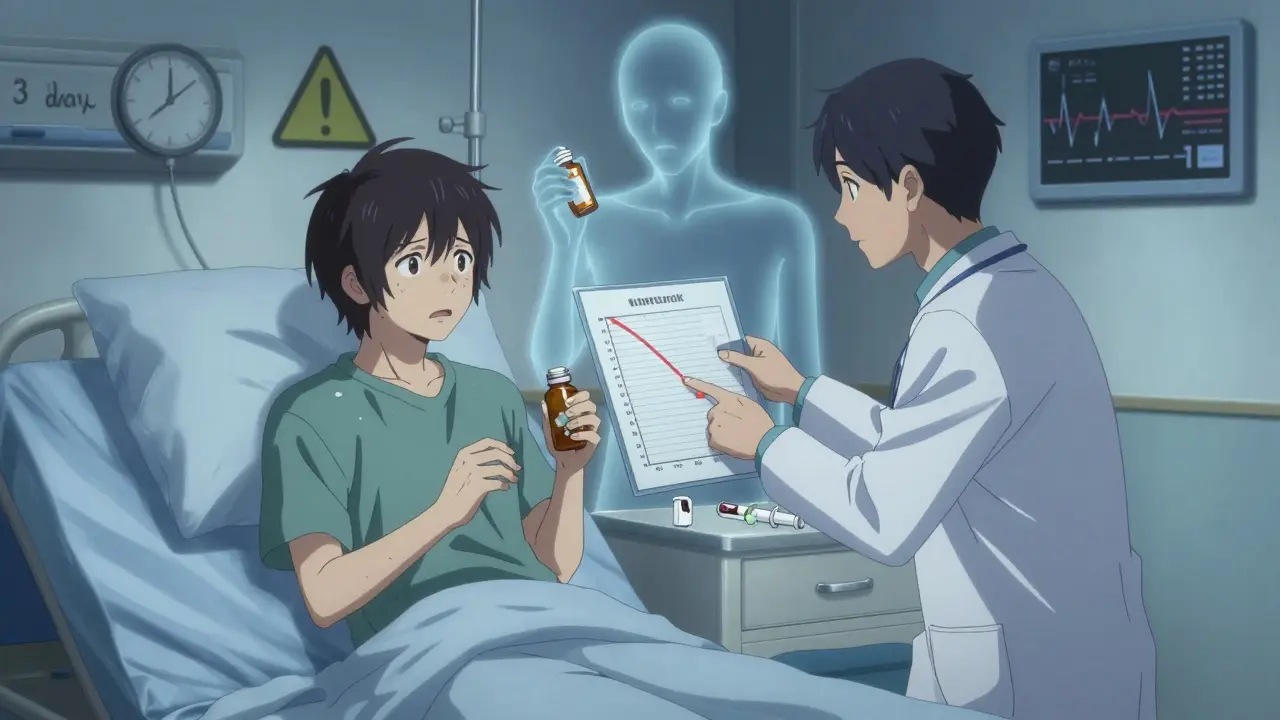
Restarting medication after a break can be deadly due to lost tolerance. Learn how to avoid overdose by starting at a lower dose, getting medical supervision, using naloxone, and avoiding dangerous drug combinations.
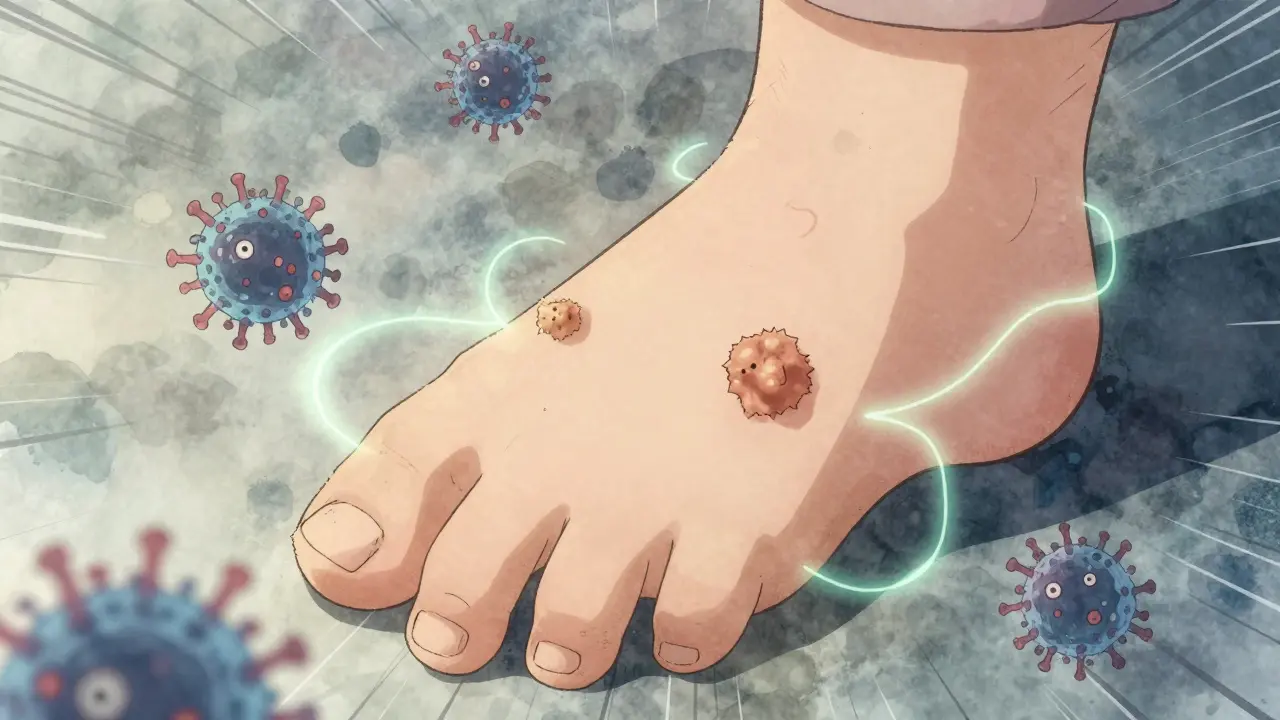
Viral warts are caused by HPV and affect millions. Learn what treatments actually work - from salicylic acid to cryotherapy - and why consistency beats quick fixes.

Direct-to-consumer drug ads in the U.S. shape how people see generics, making branded drugs feel superior-even when they're not. Here's how advertising drives spending, skews perception, and undermines cost-effective treatment.
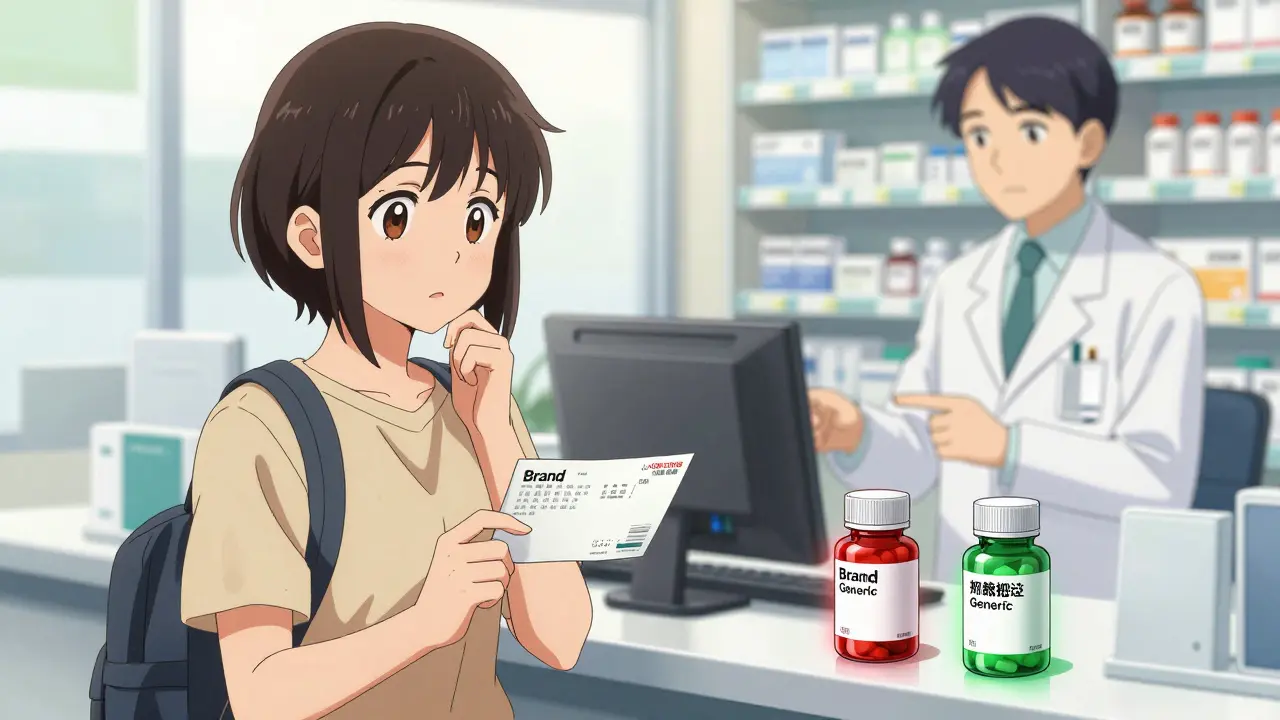
Learn how asking the right questions about generic and authorized generic drugs can cut your prescription costs by up to 90%. Discover the real savings, insurance tricks, and simple steps to pay less at the pharmacy.
