Group A strep: What it is, how it spreads, and how meds help
When you hear Group A strep, a type of bacteria known scientifically as Streptococcus pyogenes that causes infections ranging from mild sore throats to life-threatening conditions. Also known as Streptococcus pyogenes, it’s one of the most common causes of bacterial infections in kids and adults alike. It’s not just a sore throat—it’s a whole family of bugs that can turn simple infections into serious problems if ignored.
Group A strep doesn’t just sit in your throat. It can cause skin infections like impetigo, scarlet fever with that telltale rash, and even rare but dangerous conditions like necrotizing fasciitis. The good news? Most cases respond well to antibiotics like penicillin or amoxicillin. The bad news? Overuse and misdiagnosis are common. Many people get antibiotics for viral colds, which does nothing—and makes resistant strains more likely. That’s why accurate testing matters. A rapid strep test or throat culture isn’t just paperwork; it’s the difference between safe treatment and unnecessary drug exposure.
Group A strep spreads easily through coughs, sneezes, or touching surfaces contaminated with the bacteria. Kids in school or daycare are most at risk, but adults aren’t immune. If someone in your house has strep throat, washing hands, not sharing utensils, and replacing toothbrushes after starting antibiotics can stop the spread. And here’s the thing: even if symptoms fade, finishing the full antibiotic course is non-negotiable. Stopping early doesn’t just make you feel better—it leaves behind survivors that learn to fight back.
Some of the posts below dive into how antibiotics like penicillin work in real life, what happens when people skip doses, and how drug resistance is quietly changing how we treat these infections. Others show how skin infections from Group A strep are managed with topical treatments like mupirocin—same bug, different battlefield. You’ll also find real talk about when to test, when to treat, and when to wait. This isn’t about fear. It’s about knowing what’s real, what’s myth, and how to use meds wisely so you—or your kid—don’t end up in the ER over a sore throat that could’ve been handled right.
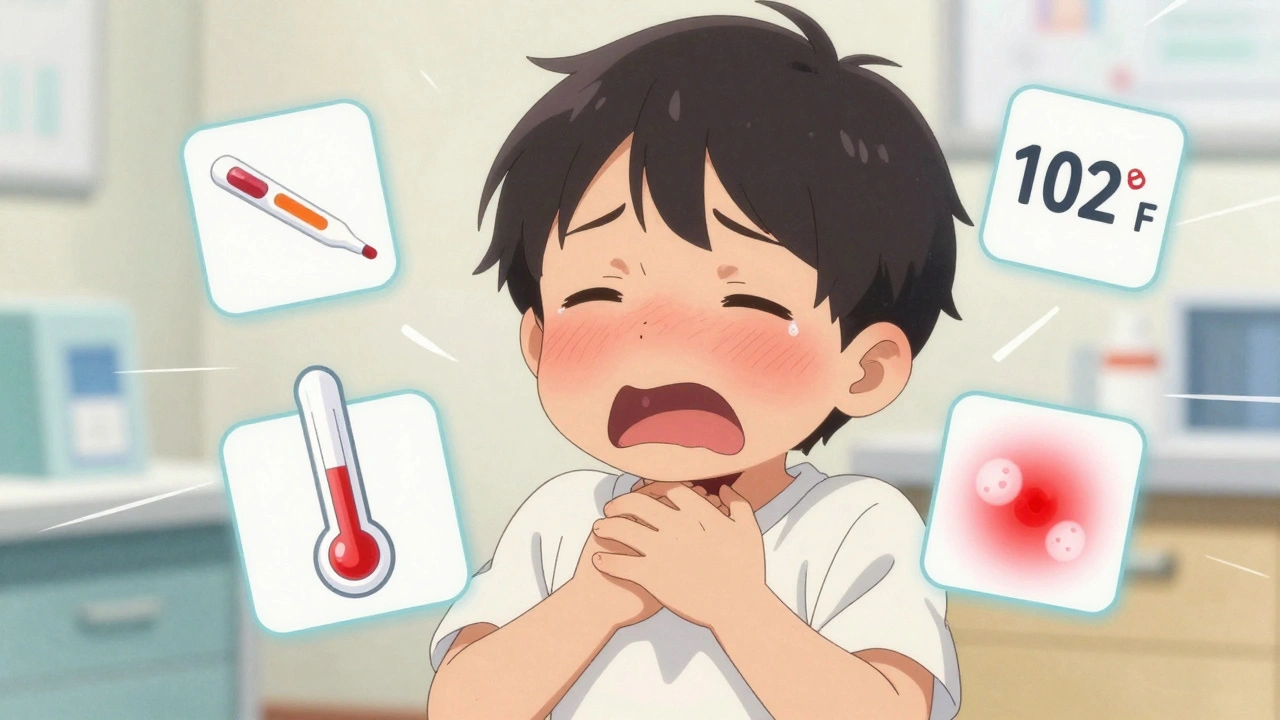
Learn how strep throat is diagnosed, which antibiotics actually work, and what to expect during recovery. Know the signs, avoid common mistakes, and prevent serious complications.
