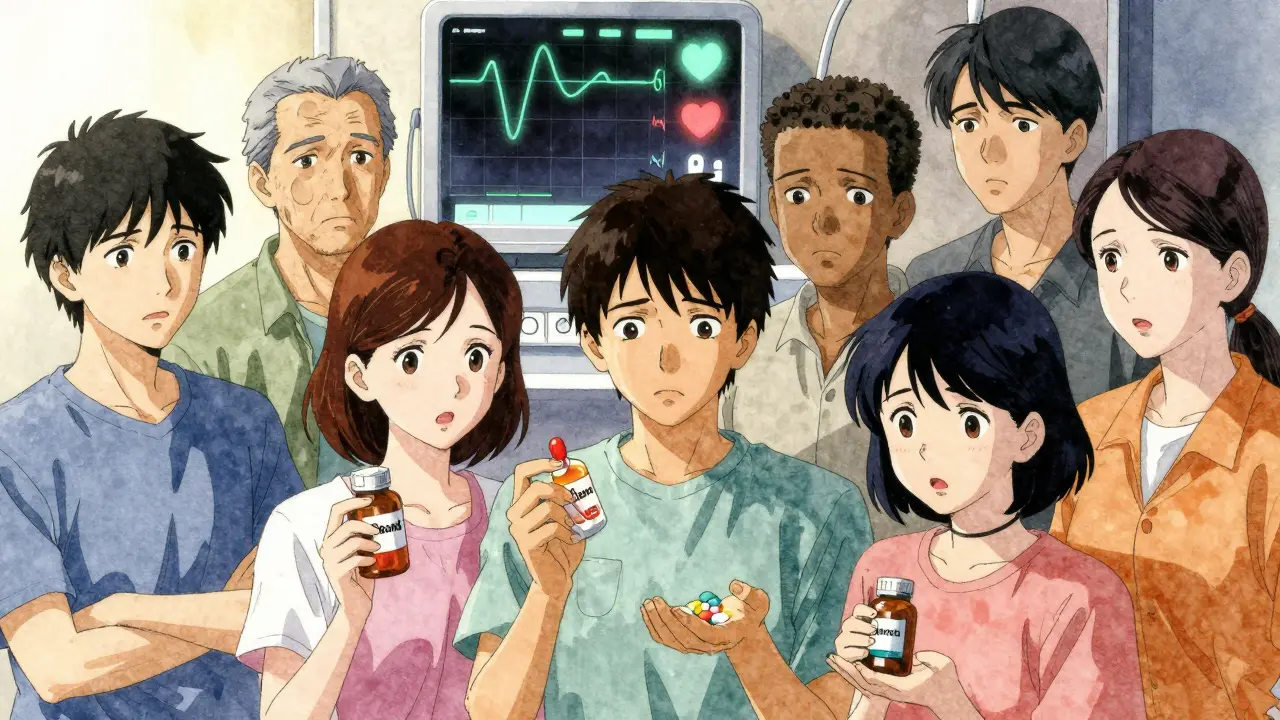
When your doctor switches your blood pressure pill from a brand-name to a generic, it’s not just a cost-saving move-it’s a decision backed by millions of prescriptions and decades of data. But if you’ve heard stories about generics causing more side effects, or seen your neighbor refuse to take them because they "aren’t the same," you’re not alone. The truth about cardiovascular generics isn’t simple. It’s not a clear win or loss. It’s a mix of solid science, messy real-world data, and lingering doubts that even doctors can’t ignore.
What Exactly Are Cardiovascular Generics?
Cardiovascular generics are exact chemical copies of brand-name drugs used to treat heart disease, high blood pressure, high cholesterol, and other conditions. They contain the same active ingredient-like atorvastatin for statins, lisinopril for ACE inhibitors, or losartan for ARBs-in the same dose and form. The U.S. Food and Drug Administration (FDA) requires them to be bioequivalent: meaning they get into your bloodstream at nearly the same rate and level as the original drug. The acceptable range? Within 80% to 125% of the brand-name version’s absorption. That’s not a guess-it’s a strict lab-tested standard. By 2023, generics made up 90% of all prescriptions filled in the U.S., and cardiovascular drugs were one of the biggest categories. The savings? Over $300 billion since 2010 just from heart meds alone. That’s money kept in patients’ pockets and out of hospital bills. But money isn’t the whole story. The real question is: are they just as safe and effective?The Evidence: What Do the Studies Say?
The best evidence comes from randomized controlled trials-the gold standard in medicine. A 2020 Harvard Health meta-analysis reviewed 38 of these high-quality studies. In 35 of them (92.1%), generic cardiovascular drugs performed identically to brand-name versions. The other three showed tiny differences, but nothing that affected patient outcomes. That’s strong support. But real life doesn’t always look like a controlled trial. A 2019 Canadian study tracked over 136,000 seniors after their ARBs (like valsartan and candesartan) switched to generics. In the first month after the switch, adverse events-like dizziness, kidney issues, or hospital visits-went up. For valsartan, it jumped from 10% to 11.7%. For candesartan, it hit 14%. That’s not a small bump. It’s noticeable. And it happened even though the active ingredient was identical. Why? The answer might be in the fillers. Generics use different inactive ingredients-dyes, binders, coatings-that don’t affect the drug’s chemistry but can change how it’s absorbed in your gut. For most people, it doesn’t matter. But for older adults, those with kidney problems, or people on multiple medications, even small changes in absorption can tip the balance. A 2023 meta-analysis dug deeper into specific drug classes. It found something surprising: generic statins had a slightly higher risk of major heart events (13% higher) compared to brand-name versions. Meanwhile, generic calcium channel blockers had fewer adverse events. That’s not random. It suggests some drug classes are more sensitive to formulation changes than others.The Perception Gap: Why Do People Still Worry?
Despite the data, fear lingers. A 2023 Consumer Reports survey found 61% of Americans believe brand-name drugs work better. For heart medications, that number is even higher. Why? Because of stories. The 2018 recall of contaminated ARB generics-valsartan, losartan, and irbesartan-linked to cancer-causing nitrosamines sent shockwaves through the system. Over 1,200 lots were pulled. Even though the contamination was a manufacturing flaw, not a generic drug problem, it stuck. People didn’t forget. Doctors aren’t immune either. A 2020 American College of Physicians analysis found that 25% of physicians said they wouldn’t use generics for their own families. Half of medical journal editorials expressed hesitation. That’s not because they’re misinformed-it’s because they’ve seen patients struggle. A 2019 JAMA study found that when pill color or shape changed during a switch to generics, 14.2% of patients stopped taking their meds altogether. That’s not about efficacy. It’s about trust. If your pill looks different, you might think it’s not the same. Pharmacists hear it every day. A 2022 survey showed 89% believe generics are just as safe. But 67% say they spend extra time explaining that to patients. That’s time they could be checking for interactions or counseling on side effects.
When Generics Might Not Be the Best Choice
There are exceptions. For drugs with a narrow therapeutic index-where the difference between a safe dose and a dangerous one is tiny-switching can be risky. Warfarin is the classic example. Even small changes in blood levels can cause bleeding or clots. The American Heart Association recommends against automatic substitution for these drugs without close monitoring. Statins are another gray area. The data shows a small but consistent uptick in heart events with generics. It’s not huge-but when you’re already at high risk for a heart attack, even a 13% increase matters. Some cardiologists now default to brand-name statins for patients with recent heart attacks, stents, or severe heart failure. The same applies to patients who’ve been stable on a brand-name drug for years. If they’re doing well-no side effects, perfect blood pressure control, no hospital visits-there’s no reason to switch. Stability is powerful.What’s Changing in 2026?
The rules are tightening. In January 2024, the European Medicines Agency required new bioequivalence tests for generic rivaroxaban, including food-effect studies. Why? Because earlier versions had inconsistent absorption when taken with meals. The FDA is following suit. Their 2023 draft guidance now demands more advanced testing for complex cardiovascular generics-especially those with narrow therapeutic windows. Manufacturing oversight is also getting stricter. The FDA’s 2023 unannounced inspection pilot found nearly half of inspected generic facilities had issues-more than double the rate under normal inspections. Nitrosamine contamination is still being monitored. In Q1 2024, nearly 15% of tested generic heart drug lots exceeded safe limits. The market is shifting too. Generic statins have a 94% market share. But newer drugs like sacubitril/valsartan (Entresto) are just starting to go generic. That means we’ll see more data-and more controversy-in the next few years.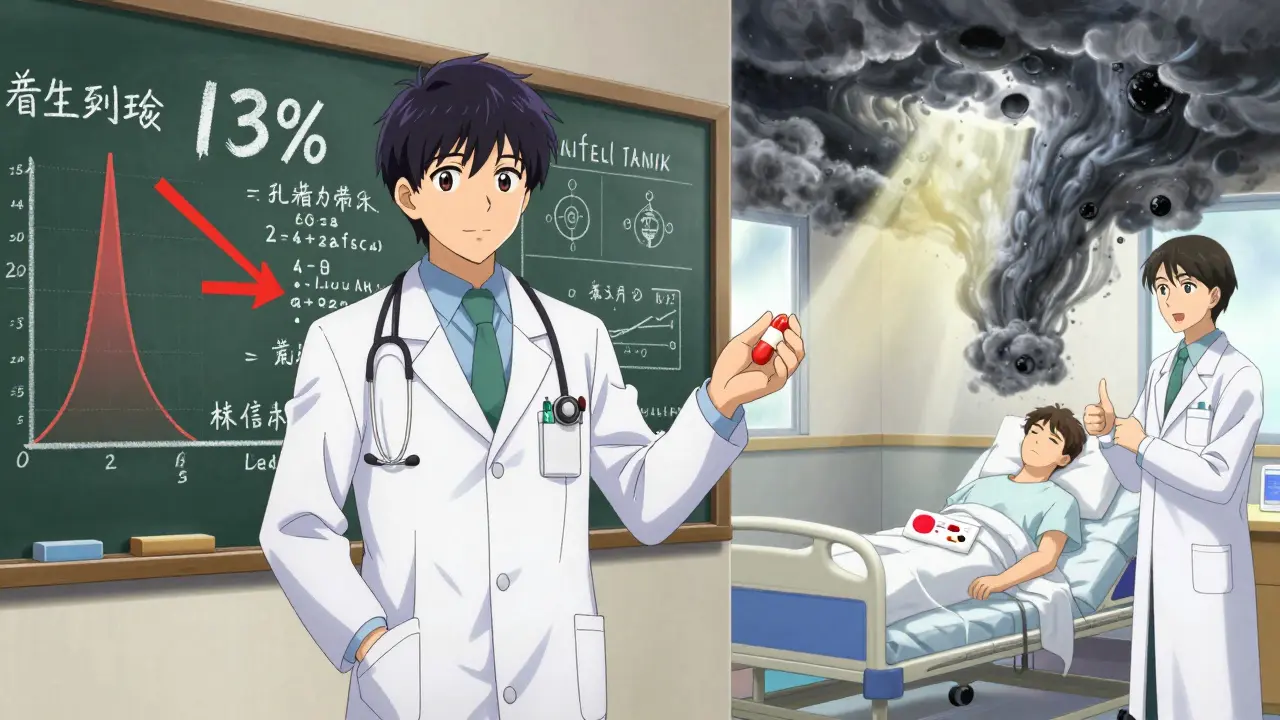
What Should You Do?
If you’re on a generic cardiovascular drug and feel fine-no new dizziness, no swelling, no unusual fatigue-keep taking it. The odds are overwhelmingly in its favor. If you’ve just switched and feel off, don’t assume it’s "all in your head." Talk to your pharmacist. Ask if the inactive ingredients changed. Check the pill’s appearance. If it looks different, that’s normal-but if you’re having side effects, tell your doctor. You might need to switch back or adjust the dose. If you’re starting a new heart medication, ask: Is this a drug with a narrow therapeutic index? Am I at high risk for heart events? Have I had problems with generics before? There’s no shame in choosing brand-name if it gives you peace of mind. And if you’re a caregiver or family member, don’t dismiss concerns. Listen. Help track symptoms. Keep a log of changes after a switch. That data helps your doctor make better decisions.Bottom Line: It’s Not Black and White
Cardiovascular generics are safe and effective for most people. The science backs it. The savings are massive. But they’re not magic. They’re medicines-and like all medicines, they interact with bodies, lifestyles, and histories. For some, they’re perfect. For others, the difference in fillers, timing, or personal sensitivity matters. The goal isn’t to blindly choose generics. It’s to make informed choices. Use the data. Listen to your body. Work with your care team. And remember: the best drug is the one you’ll take every day-whether it’s branded or generic.Are generic cardiovascular drugs really as safe as brand-name ones?
For most people, yes. Large studies show 92% of the time, generics perform just as well as brand-name drugs in controlled trials. But real-world data shows small increases in adverse events-especially in the first month after switching-particularly with ARBs and statins. These differences are often linked to inactive ingredients, not the active drug. For stable patients, switching isn’t necessary. For new patients, generics are usually a safe and cost-effective choice.
Why do some people have more side effects after switching to generics?
The active ingredient is the same, but the fillers-like dyes, binders, or coatings-can differ. These affect how quickly the drug dissolves in your gut. For older adults, people with digestive issues, or those on multiple meds, even small changes in absorption can cause dizziness, kidney changes, or blood pressure swings. This isn’t a defect-it’s a biological variation. If you feel worse after switching, tell your doctor. You may need to go back to the brand or adjust your dose.
Should I avoid generic statins because of the higher risk?
Not necessarily. The increased risk is small-about 13% higher for major heart events in some studies-but it’s real. If you’ve had a heart attack, stent, or severe heart failure, your doctor might recommend sticking with brand-name statins. For others, especially those on a tight budget, generics still offer major benefits. Talk to your provider. If you’re doing well on a generic statin, don’t switch unless advised. If you’re new to statins, generics are still a reasonable first choice.
What’s the deal with the nitrosamine recalls?
In 2018, some ARB generics were found to contain trace amounts of cancer-causing nitrosamines due to manufacturing flaws. Over 1,200 lots were recalled. This wasn’t a problem with generics as a category-it was a failure in quality control by specific manufacturers. Since then, the FDA has tightened testing rules. All new generic heart drugs must now meet strict limits for these impurities. Current lots are safer than ever.
Can I switch back to brand-name if I’m worried?
Yes. Your doctor can write a prescription that says "do not substitute." Insurance may require prior authorization or charge a higher copay, but your health comes first. If you’ve had side effects, feel uncertain, or simply prefer the brand, you have the right to choose. Many patients feel better psychologically when they’re on the drug they trust-even if the science says both are equal.
Do pharmacists recommend generics?
Yes-89% of pharmacists believe generics are just as safe and effective. But 67% say they spend extra time counseling patients because of concerns. Pharmacists see the real-world impact: patients stopping meds because the pill looks different, or getting confused when switches happen without warning. They’re your best ally in navigating this. Ask them questions. Bring up your concerns. They’re trained to help you make the right choice.

8 Comments
Mohammed RizviJanuary 24, 2026 AT 13:40
Let’s be real - if your blood pressure pill changes color and suddenly you’re dizzy, it’s not your imagination. I’ve seen grandmas in Delhi refuse generics because their new pill looked like a neon green M&M. The chemistry’s the same, sure. But your body doesn’t read FDA reports. It reads the damn pill.
Shawn RajaJanuary 25, 2026 AT 22:53
Here’s the thing nobody wants to admit: we treat medicine like a religious text. Brand-name = holy. Generic = heresy. But the active ingredient? Identical. The fillers? Like different brands of bread - one’s got sesame, one’s got nothing. You don’t stop eating bread because the crust changed. But we do? We’re weird.
Henry JenkinsJanuary 27, 2026 AT 15:39
I’ve spent the last six months digging into bioequivalence data across 12 countries. The 80–125% absorption window isn’t arbitrary - it’s based on decades of pharmacokinetic modeling. But here’s the gap: most studies don’t account for polypharmacy. An 80-year-old on six meds? Their gut’s a warzone. A 5% difference in absorption? That’s not noise - that’s a landslide in their system. The FDA’s new food-effect studies for rivaroxaban? Long overdue. We’re treating cardiovascular generics like aspirin. They’re not.
Dan NicholsJanuary 29, 2026 AT 15:13
Stop pretending generics are perfect. The 13% higher heart event rate with statins isn’t a fluke - its statistically significant and ignored because it’s inconvenient. And that nitrosamine mess? Still happening. FDA inspections found 47% of generic plants had issues. That’s not oversight - that’s negligence. If your doctor switches you without warning? They’re cutting corners. You’re not a cost center. You’re a human.
Renia PylesJanuary 30, 2026 AT 13:45
My mom died because they switched her to a generic ARB. She had no side effects for 10 years on the brand. Then the pharmacy changed it. Two weeks later - kidney failure. The doctor said "it’s the same drug." Same drug? Then why did she start vomiting blood? I’m not buying your science. I’m burying my mother.
TONY ADAMSFebruary 1, 2026 AT 10:37
Bro just dont switch. If its working keep it. I had a friend switch to generic lisinopril and he got dizzy and fell down stairs. Bro. Why risk it? Pills look different. You feel weird. You dont need that drama. Stay on the brand. Life’s too short.
Napoleon HuereFebruary 1, 2026 AT 16:55
There’s a deeper question here: why do we outsource our health to algorithms and insurance forms? We let a computer decide which pill we get, then panic when our body reacts. But the body isn’t a spreadsheet. It’s a living system shaped by sleep, stress, diet, trauma. A generic isn’t inferior - it’s just not personalized. Maybe the real problem isn’t the drug. It’s that we treat medicine like a commodity. We’ve forgotten that healing isn’t transactional. It’s relational. And sometimes, trust is the active ingredient.
Simran KaurFebruary 3, 2026 AT 04:14
As someone who’s watched my aunt struggle with her heart meds for 15 years, I can say this - the color change broke her. She thought the new pill meant she was dying. We sat down with the pharmacist, showed her the FDA chart, held her hand. She cried. Then she took it. But she kept the old pill bottle on her nightstand. Not because she thought it worked better. Because it felt like home. Sometimes the medicine we need isn’t in the tablet. It’s in the quiet reassurance that someone sees us.