Imagine discovering that your body has extra signals telling cells to grow faster than they should. For people diagnosed with HER2-Positive Breast Cancer, this is exactly what happens. This specific subtype accounts for about 15% to 20% of all breast cancer diagnoses. It was historically viewed as one of the most aggressive forms of the disease. However, modern medicine has completely changed the outlook. Today, we have powerful tools designed to stop those growth signals before tumors spread widely.
What Makes a Breast Cancer HER2-Positive?
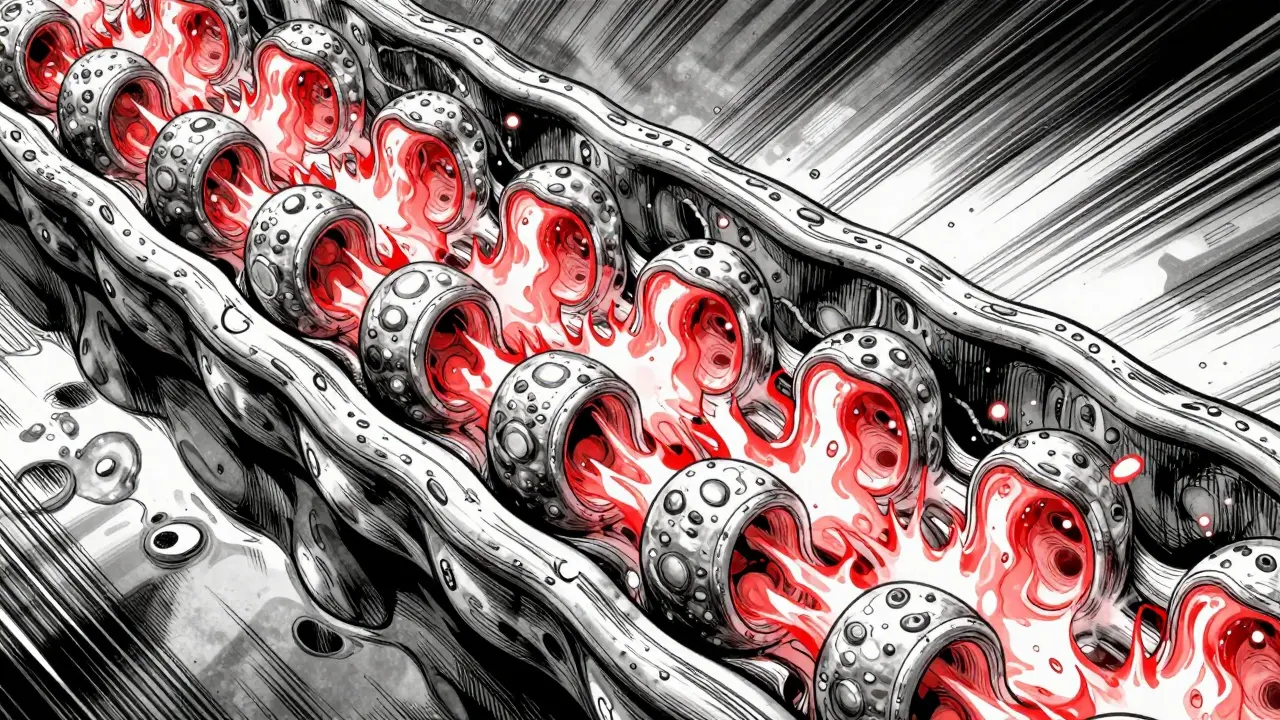
The core issue involves a protein called Human Epidermal Growth Factor Receptor 2, known as HER2 a receptor found on the surface of cells. In normal tissue, there are just enough HER2 receptors to keep cells healthy. In HER2-positive cases, cancer cells produce too many of these receptors-often thousands instead of hundreds. These excess receptors act like open doors, allowing growth signals to flood the cell unchecked.
Doctors determine this status through biopsy testing. They look at how much HER2 protein exists on the cell membranes using immunohistochemistry (IHC) or check for gene amplification via FISH testing. When a lab reports an IHC score of 3+ or a positive FISH result, the cancer is classified as HER2-positive. This distinction matters immensely because standard chemotherapy alone often fails to control these fast-growing tumors effectively.
The Shift Toward Targeted Treatments
Treatment protocols have evolved significantly since the late 1990s. Before Trastuzumab the first major monoclonal antibody targeting HER2 became available, options were limited to harsh chemicals that attacked dividing cells indiscriminately. Trastuzumab, sold under the brand name Herceptin, worked by binding directly to the HER2 receptors. This action blocked the signal for growth and flagged the cancer cell for destruction by the immune system. It transformed this diagnosis from a poor prognosis to one with manageable outcomes for many.
Current standards often involve combining treatments to attack the cancer from multiple angles. A common approach includes surgery followed by systemic therapy. For larger tumors, doctors might recommend neoadjuvant therapy before cutting. Neoadjuvant treatment shrinks the tumor initially and gives clinicians immediate feedback on whether the cancer responds well to the drugs. If the tumor vanishes pathologically after treatment, the long-term outlook improves significantly.
Types of HER2-Targeted Drugs Available
Patients rarely receive just one pill or injection. The arsenal now includes several classes of medications, each working differently. Understanding these distinctions helps in managing expectations and side effects.
Monoclonal Antibodies
These drugs are engineered proteins. Trastuzumab is the backbone of most regimens. Another antibody, pertuzumab (Perjeta), works alongside trastuzumab. While trastuzumab blocks one part of the HER2 receptor, pertuzumab blocks a different site. Using both prevents the receptor from changing shape when it binds, essentially locking the door completely. There is also a subcutaneous combination called Phesgo that mixes both antibodies plus an enzyme to allow absorption under the skin. This reduces infusion time from hours to minutes.
Antibody-Drug Conjugates (ADCs)
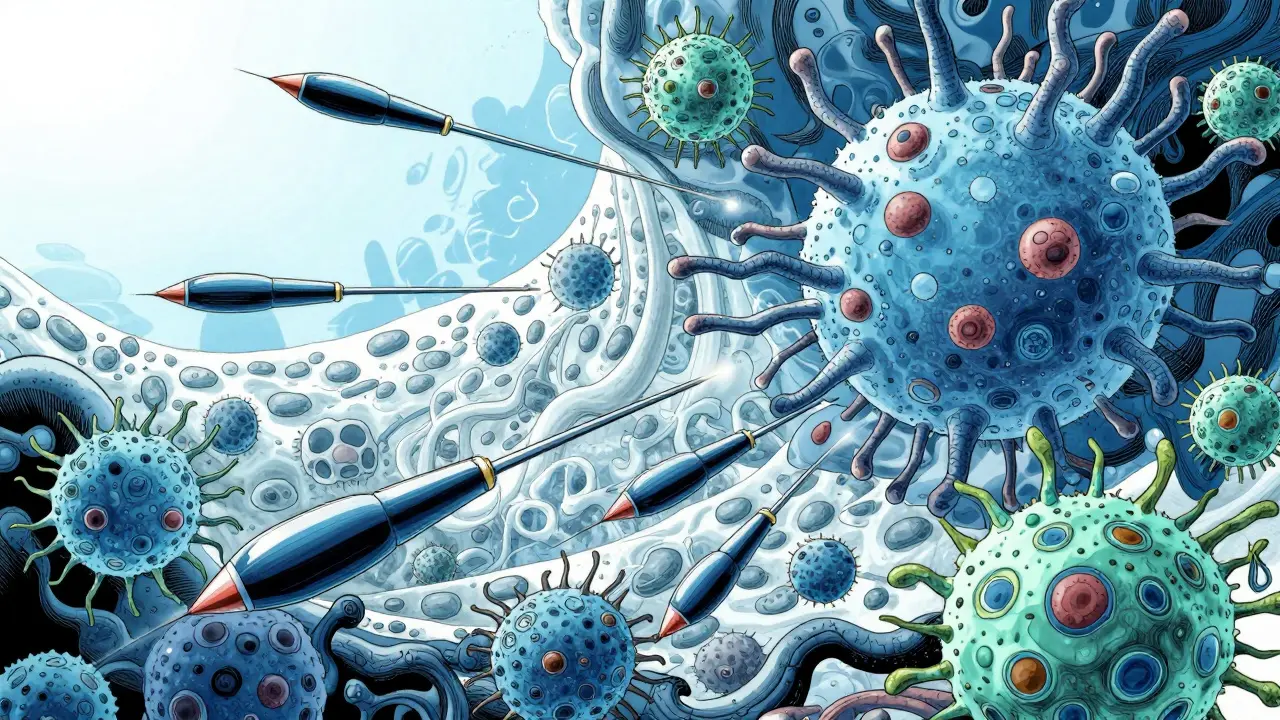
This technology delivers chemotherapy directly to the cancer cell while sparing healthy tissue. Think of it as a guided missile. Two prominent examples include ado-trastuzumab emtansine (T-DM1/Kadcyla) and trastuzumab deruxtecan (T-DXd/Enhertu). T-DM1 attaches a cytotoxic drug to trastuzumab, delivering it into the cell once internalized. T-DXd uses a linker that allows the payload to leak into neighboring cells, which can kill cancer cells that don't express high levels of HER2 themselves.
In clinical trials like DESTINY-Breast03, T-DXd showed superior results compared to earlier generations, significantly lowering the risk of disease progression. The data highlighted a 72% reduction in risk when compared to T-DM1. This makes T-DXd a preferred option for second-line treatment in metastatic settings.
Tyrosine Kinase Inhibitors (TKIs)
Unlike large antibodies, TKIs are small pills that fit inside the cell. They block the enzymes responsible for passing growth signals downstream. Lapatinib and neratinib work broadly across receptors. Tucatinib a TKI effective against brain metastases stands out because its small molecular size allows it to cross the blood-brain barrier. Historically, HER2-targeted infusions struggled to reach the brain, leaving it vulnerable. Tucatinib combined with trastuzumab and capecitabine changed that dynamic, extending survival for patients with brain metastases.
| Drug Name | Type | Key Benefit | Common Side Effect |
|---|---|---|---|
| Trastuzumab | Monoclonal Antibody | Established safety profile | Heart function decline |
| T-DXd (Enhertu) | Antibody-Drug Conjugate | High efficacy in metastatic disease | Lung inflammation |
| Tucatinib | Tyrosine Kinase Inhibitor | Penetrates brain barrier | Severe diarrhea |
Navigating Side Effects and Risks
While targeted therapies spare hair follicles and reduce nausea compared to traditional chemo, they bring their own set of challenges. Patients must monitor specific organ functions closely. One major concern is cardiotoxicity. Because heart muscle cells also express HER2 receptors, blocking them can temporarily weaken the heart's pumping ability. Studies show about 2% to 7% of patients receiving trastuzumab develop symptomatic heart failure. Regular echocardiograms every three months are mandatory to catch any decline early.
Lung toxicity is another critical area. Interstitial Lung Disease (ILD) occurs in roughly 10% to 15% of patients taking T-DXd. Symptoms like dry cough or shortness of breath need immediate reporting. Doctors usually pause treatment to let the lungs recover and prescribe steroids if necessary. Catching ILD early is vital, as delayed intervention can become fatal.
Gastrointestinal issues dominate the TKI experience. Neratinib frequently causes severe diarrhea. Clinical protocols suggest starting prophylactic loperamide immediately upon starting the drug. Waiting until symptoms appear is often too late. Adhering to this regimen allows patients to finish the full course of therapy, which is crucial for preventing recurrence.
Expanding Options: The HER2-Low Category
New testing criteria introduced around 2023 created a "HER2-low" classification. Previously, cancers that tested slightly positive on staining but negative on genetic tests were grouped with HER2-negative. Now, we know these cells still benefit from certain ADCs like T-DXd. The DESTINY-Breast04 trial confirmed significant survival benefits for this expanded group. This classification shift potentially widens the treatment window for up to 50% of metastatic breast cancer patients who previously had no targeted options.

Planning Your Treatment Journey
Every patient's journey differs based on stage. Early-stage disease focuses on cure, aiming to eliminate microscopic disease after surgery. Metastatic disease focuses on life extension and quality of life. Sequencing matters immensely. First-line therapy usually combines two antibodies with a taxane chemotherapy agent. If resistance develops, switching to an ADC is the standard next step. If brain metastases appear, adding a TKI becomes necessary.
Access to medication is also evolving. Biosimilars offer lower-cost alternatives to original branded drugs. These copies match the safety and efficacy of trastuzumab strictly. Insurance coverage often favors them, making long-term maintenance more affordable. However, newer agents like T-DXd carry higher price tags due to patent protection, requiring financial assistance programs for some families.
Frequently Asked Questions
Can I take HER2-targeted drugs with other medications?
Interactions vary by drug class. Tyrosine kinase inhibitors often interact with blood thinners or acid reflux medications. Monoclonal antibodies have fewer interactions. Always give your oncologist a full list of supplements and prescriptions before starting therapy.
Does HER2 status change over time?
The biological markers in cancer can evolve. A tumor might lose HER2 expression later in the disease course. Retesting metastatic sites is recommended if a treatment stops working to see if the cancer phenotype has shifted.
Are HER2-targeted therapies safe during pregnancy?
Most are considered unsafe during conception and pregnancy due to potential risks to fetal development. Discuss pregnancy prevention plans before initiating treatment, as these drugs can remain in the system for months.
How long do I stay on targeted therapy?
For early-stage disease, the standard duration is typically one year following surgery. In metastatic settings, treatment continues as long as the cancer remains controlled and side effects remain manageable.
What if my heart weakens during treatment?
If echocardiogram readings drop below thresholds, doctors pause the antibody therapy. Most cases of mild cardiotoxicity reverse once the drug is stopped, allowing resumption later if the heart recovers fully.

13 Comments
Rachelle ZApril 3, 2026 AT 10:34
It is crazy how fast this stuff has evolved in just twenty years!!! 😲 Back then everyone thought this diagnosis was a death sentence but now there are so many options available today! 🙌 The antibodies basically lock the doors shut so the cancer cannot send those nasty signals anymore! 🧬 I still find it wild that we can target specific proteins on cell surfaces with such precision! 💉🚫 Everyone should be aware that new options like Phesgo save hours in the clinic! ⏳ It feels like science fiction becoming reality right in front of us! 🛸 Just remember that every person reacts differently to these powerful medications! ❤️
HARSH GUSANIApril 4, 2026 AT 05:12
I do not agree with all this hype about foreign drugs being superior! 🇺🇸 America makes the best medicine and we should support local innovation first! 🤷♂️ You people always jump on bandwains without thinking about the costs! 💰 My friend took the old pills and he was just fine without spending billions! 😠 We need to stop relying on imported solutions when we can make our own here! 🇺🇸 The government spends too much on these fancy trials instead of helping regular people! 👎 Do not trust what you read on social media platforms online!
Mark ZhangApril 5, 2026 AT 14:18
Everyone dealing with this path deserves so much support and understanding along the way! 🤝 Knowing the difference between HER2-positive and other types really helps calm your fears! 💪 Surgery followed by systemic therapy works incredibly well for catching things early on! 🏥 Neoadjuvant approaches give doctors immediate feedback to adjust plans accordingly! 📋 If the tumor shrinks completely after treatment that is a fantastic sign for the future! 🌟 Remember that side effects like heart changes are monitored closely so safety stays paramount! ❤️ It is important to keep communication open with your oncology team throughout! 🗣️ We are here to listen and help however we can for you all! 🕊️
simran kaurApril 6, 2026 AT 02:28
The pharmaceutical giants definitely have something hidden behind these new guidelines for profit motives! 🕵️♀️ Why suddenly classify HER2-low now after decades of ignoring slight staining results?! 🧐 It smells suspiciously like expanding market size for big corporations selling expensive treatments! 💸 Real natural immunity should be prioritized before injecting synthetic proteins into bodies! 🥒 We cannot trust lab tests that were designed solely to sell more drugs to desperate patients! 🏦 The elite medical class benefits while common people suffer the severe side effects daily! 😤 Think critically about who benefits most from these aggressive intervention strategies! 🤔
Jenna CarpenterApril 6, 2026 AT 15:21
People dont even read the side effects carefully before starting any chemo regiments! 📄 They should knwo that heart failure risk is actually quite scary and real! 🫀 If u wait til symptoms show up its already too late to fix it easily! ⚠️ Most docs just want to push the newest trial drugs to get money from insurance! 💸 You gots to check your echo regularly or else bad stuff happens for sure! 😬 Its a big mistake to ignore lung toxicity signs like coughing constantly! 🦴 These meds are harsh and nobody talks about the diarrhea part enough honestly! 👎
Brian ShiromaApril 7, 2026 AT 11:34
That is exactly why informed consent matters before signing up for anything remotely aggressive! Nobody wants to ruin their heart function trying to fix a breast problem alone! It is ironic that life-saving treatments carry such heavy baggage for the patient! The medical system thrives on fear rather than actual healing solutions sometimes! You have to take responsibility for reading the fine print yourself clearly! Waiting until symptoms appear means the damage is likely done permanently! Being proactive saves lives but the paperwork feels endless indeed! Just stick to the schedule and hope for the best outcome overall!
Goodwin ColangeloApril 8, 2026 AT 20:12
It is crucial to understand how these targeted therapies work on a cellular level effectively. Many patients do not realize that HER2 status determines everything about their treatment plan specifically. Trastuzumab remains the gold standard for blocking those growth signals effectively and reliably. We often see better outcomes when combining this with chemotherapy agents early on in the protocol. The subcutaneous option really helps reduce the time spent in infusion chairs significantly for everyone. New antibody-drug conjugates offer a way to deliver toxicity directly to the tumor cells safely. Enhanced delivery systems mean fewer healthy tissues get damaged during treatment cycles repeatedly. Brain metastases used to be nearly impossible to control with standard systemic therapy options historically. Small molecule inhibitors now cross the blood-brain barrier much more efficiently than before previously. Monitoring heart function is absolutely necessary because cardiac risks exist with every single dose administered. Doctors order echocardiograms regularly so we can catch issues before symptoms appear visibly to anyone. Lung inflammation is a known side effect that requires immediate attention from the care team quickly. Stopping treatment temporarily allows recovery without causing permanent damage to organs generally. Insurance companies often require prior authorization for newer agents which delays care unfortunately. Financial assistance programs exist for families who cannot afford the full cost of therapy annually.
Joseph RutakangwaApril 10, 2026 AT 15:54
good information thanks
keep fighting
safety first always
Sakshi MahantApril 11, 2026 AT 15:01
We must respect the journey each individual takes through their health challenges with grace! 🌺 Different cultures approach cancer care with unique perspectives that should be honored fully! 🙏 Access to medication varies widely depending on where you live globally! 🌍 It is wonderful to see biosimilars making treatments more affordable for so many families now! 💰 Financial hardship should never prevent someone from receiving vital life-extending care options! 🛑 Community support groups provide immense emotional strength during difficult treatment phases consistently! 🤗 Education about side effects empowers patients to advocate for themselves confidently! ✨ Let us stand together as one global community supporting each other in this fight! 🌈
sophia alexApril 12, 2026 AT 17:24
You sound so naive with that innocent little speech about global unity! 🙄 Only the wealthy nations can access the cutting edge ADCs like Enhertu! 💅 Most people just die quietly because they cannot afford the ten thousand dollar monthly bills! 💸 Biosimilars are cheap knock-offs designed for third world populations primarily! 🌑 We should focus on luxury medicine for those who deserve survival rates higher! 🏆 Your optimistic view ignores the brutal economics of modern healthcare reality! 😤 Real survivors know that quality of life depends heavily on bank account depth! 💼 Stop preaching about community when you cannot pay for basic care yourself! 🚫💔
Hope Azzaratta-RubyhawkApril 13, 2026 AT 03:05
YOU CAN OVERCOME ANY OBSTACLE PLACED IN YOUR PATH RIGHT NOW! 🚀 Do not let side effects discourage you from pushing forward with determination! 💪 The human spirit is stronger than any disease attempting to conquer your body! 🔥 Follow the protocols strictly and maintain rigorous adherence to your schedule! ⏰ Trust in the medical advancements that scientists have worked tirelessly to develop! 🧪 Your family needs you strong and present regardless of how hard the road gets! 🛣️ Fight until the end of every battle because giving up is not an option! 🏆 Belief in recovery is a powerful tool for healing your mind and soul! ❤️ STAND TALL AND NEVER STOP BELIEVING IN A HEALTHY FUTURE AHEAD! 🌟
Branden PrunicaApril 13, 2026 AT 03:50
Wow that energy is almost overwhelming for me today! 😱 Sometimes the pressure to stay positive feels heavier than the illness itself! 🎭 I struggle with the idea that we must be happy warriors all the time without crying! 😢 Life is messy and painful and pretending otherwise causes more damage eventually! 🌩️ We need spaces to vent frustration without toxic positivity policing our emotions! 🚫 Emotional suppression leads to burnout for caregivers and patients alike equally! Please allow yourselves to be angry or scared without apology ever! 🖤 It takes guts to face terminal diagnoses head on honestly! 🦁 True bravery is acknowledging fear while moving forward bravely! 🐾
Divine MannaApril 14, 2026 AT 05:11
The trajectory of medical intervention relies entirely on our acceptance of modern scientific protocols and evidence-based methodologies.