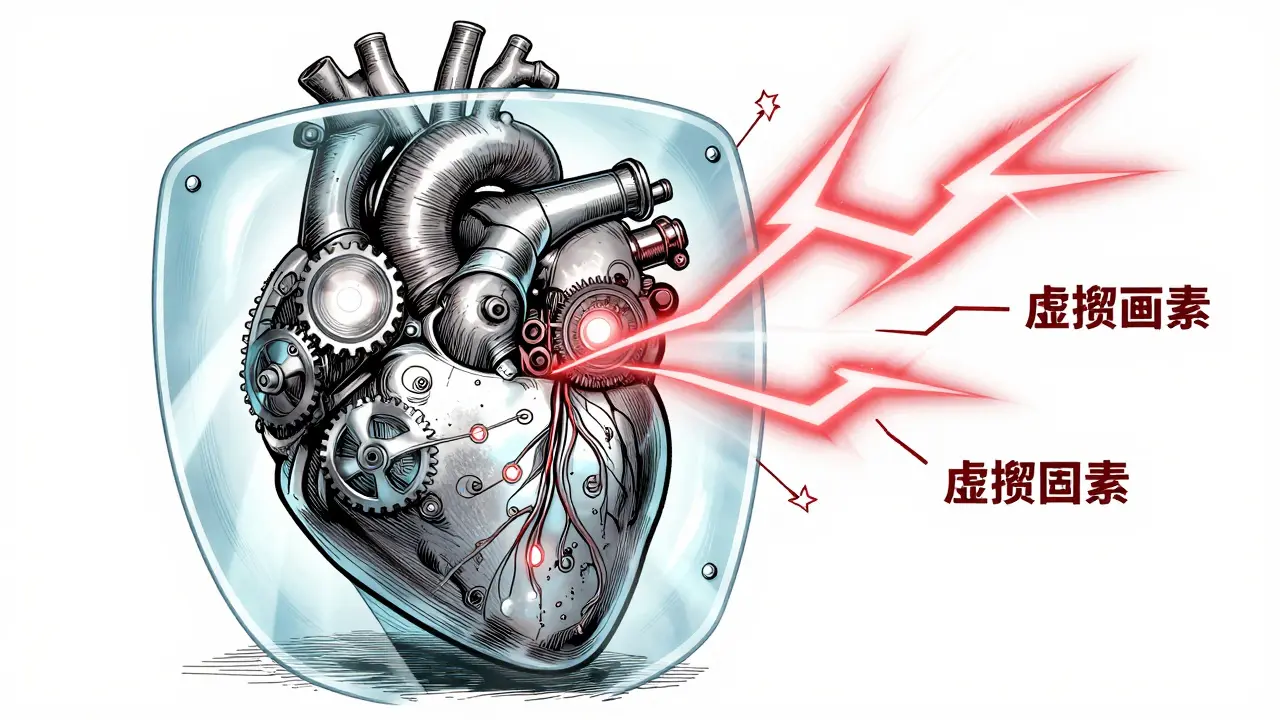
Imagine your heart is like an engine that sometimes runs too fast or too hard, putting a strain on the entire system. Beta-Blockers is a class of medications known as β-adrenergic receptor antagonists that block the effects of adrenaline (epinephrine) and noradrenaline on the heart and blood vessels. By acting as a shield against these "stress hormones," they lower the heart rate and reduce the amount of oxygen the heart muscle needs to function. While they all share a common goal, not all beta-blockers are created equal. Choosing the wrong one can be the difference between a patient recovering from heart failure or struggling with a severe asthma attack.
The Evolution of Beta-Blockers: Three Generations
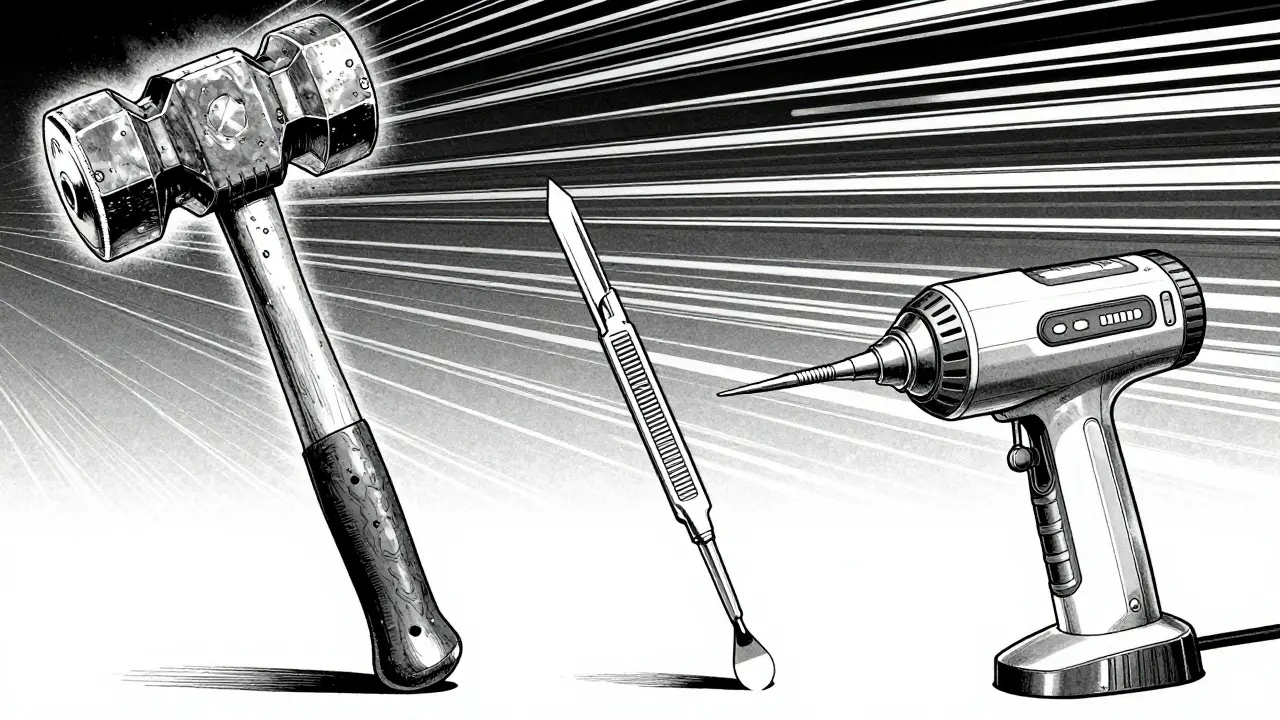
Beta-blockers aren't a single drug but a family of medications evolved over decades. They are split into three generations based on how specifically they target receptors in your body. Think of it as moving from a sledgehammer to a precision scalpel.
First-generation agents are non-selective. They hit both Beta-1 receptors (mostly in the heart) and Beta-2 receptors (mostly in the lungs). Propranolol is the classic example here. Because it blocks Beta-2 receptors, it can cause the airways to tighten, which is why it's generally a bad idea for someone with asthma. These are still used, but more for things like tremors or migraines than for primary heart management.
Second-generation blockers brought "cardioselectivity." These are designed to target Beta-1 receptors almost exclusively. Metoprolol and Atenolol belong to this group. By ignoring the Beta-2 receptors in the lungs, they provide a safer option for patients with reactive airway diseases, though they still carry some risk at higher doses.
Third-generation beta-blockers are the most advanced. They don't just block receptors; they add extra benefits like vasodilatation (opening up the blood vessels). Carvedilol blocks Alpha-1 receptors to lower peripheral resistance, while Nebivolol stimulates the production of nitric oxide to relax the arteries. These properties make them powerhouse drugs for treating heart failure.
| Generation | Primary Action | Key Examples | Best Used For | Main Risk |
|---|---|---|---|---|
| First Gen | Non-selective (β1 + β2) | Propranolol | Migraines, Tremors | Bronchospasm (Asthma) |
| Second Gen | Cardioselective (β1) | Metoprolol, Atenolol | Hypertension, Post-MI | Fatigue, Cold extremities |
| Third Gen | Vasodilatory + β Block | Carvedilol, Nebivolol | Heart Failure | Hypotension during start |
How They Actually Change Your Heart's Behavior
To understand why these drugs matter, you have to look at what happens at the molecular level. Normally, when adrenaline hits a Beta-1 receptor, it triggers a chain reaction involving G-proteins and cyclic AMP (cAMP). This increases the amount of calcium inside the heart cells, which makes the heart beat faster and squeeze harder.
Beta-blockers step in and block this process. By preventing calcium from flooding the cells, they decrease the heart's contractility (how hard it squeezes) and chronotropy (how fast it beats). This is why someone on these meds might notice their resting heart rate drop from 80 to 60 beats per minute. For a heart that has been overworked by chronic failure, this "forced rest" allows the muscle to recover and reorganize, which is why third-generation agents significantly reduce mortality in heart failure patients.
Critical Interactions and Side Effect Profiles
The "class effects" of beta-blockers are well-known-fatigue and cold hands are common because the drugs reduce cardiac output and can limit blood flow to the skin. However, individual drug differences create very different patient experiences. For example, many men over 50 find that older beta-blockers cause erectile dysfunction, but Nebivolol is often better tolerated because its vasodilatory effects don't interfere as harshly with blood flow in other areas of the body.
Interactions can be dangerous if not managed. One of the biggest red flags is the interaction between non-selective beta-blockers and Beta-2 agonist inhalers (like Albuterol). Since the drug blocks the very receptors the inhaler is trying to stimulate, the rescue medication may lose 40-50% of its effectiveness during an asthma attack.
Another critical warning is about stopping the medication. You can't just quit beta-blockers cold turkey. Doing so can cause a "rebound" effect where the heart is suddenly flooded with adrenaline, increasing the risk of a heart attack by up to 300% in the first 48 hours. Doctors always taper the dose slowly to avoid this shock to the system.
Practical Application: Choosing the Right Agent
Picking a beta-blocker isn't a one-size-fits-all process. It depends on the patient's specific comorbidities. If a patient has heart failure with reduced ejection fraction, the European Society of Cardiology specifically points toward third-generation agents. Carvedilol, for instance, is praised for its antioxidant properties, which can reduce oxidative stress in the heart muscle by 30-40%.
Dosing schedules also matter. Metoprolol comes in two main forms: tartrate and succinate. The tartrate version is short-acting and usually needs to be taken twice a day, whereas the succinate version is an extended-release formula taken once daily. For a patient who struggles with medication adherence, the once-daily option is a game-changer.
For those with heart failure, the start is the hardest part. You can't jump straight to a full dose. A typical protocol for Carvedilol involves starting at a tiny dose of 3.125 mg twice daily and slowly increasing it over 8 to 16 weeks. This prevents the patient's blood pressure from crashing (hypotension) while the body adjusts to the lower cardiac output.
Can I take a beta-blocker if I have asthma?
It is generally discouraged to use non-selective beta-blockers like Propranolol because they can trigger bronchospasms. Cardioselective (Beta-1) blockers like Metoprolol are safer, but they should still be used with extreme caution and under close medical supervision, as selectivity isn't 100% absolute at higher doses.
Why do I feel so tired when starting these medications?
Fatigue is one of the most common side effects. Because beta-blockers lower your heart rate and the force of contraction, your muscles may receive oxygen slightly slower during activity. This often improves over a few weeks as your body adjusts, but it's a primary reason why some patients struggle with exercise tolerance.
What is the difference between Metoprolol Tartrate and Succinate?
The difference is primarily how they are released into your system. Tartrate is immediate-release and typically requires twice-daily dosing. Succinate is extended-release, meaning it leaks into the bloodstream slowly over 24 hours, allowing for a single daily dose and more stable blood levels.
Are beta-blockers still used for high blood pressure?
While they are effective, they are no longer the first choice for uncomplicated hypertension. Modern guidelines prefer ACE inhibitors or calcium channel blockers because they are more effective at reducing central aortic pressure. Beta-blockers are now usually reserved for hypertension when the patient also has a heart condition, like a previous heart attack.
What happens if I miss a dose?
Missing a single dose is usually not an emergency, but you should take it as soon as you remember unless it's almost time for your next dose. Do not double up. However, consistently missing doses can lead to unstable heart rhythms or blood pressure spikes, so consistency is key.
Next Steps and Troubleshooting
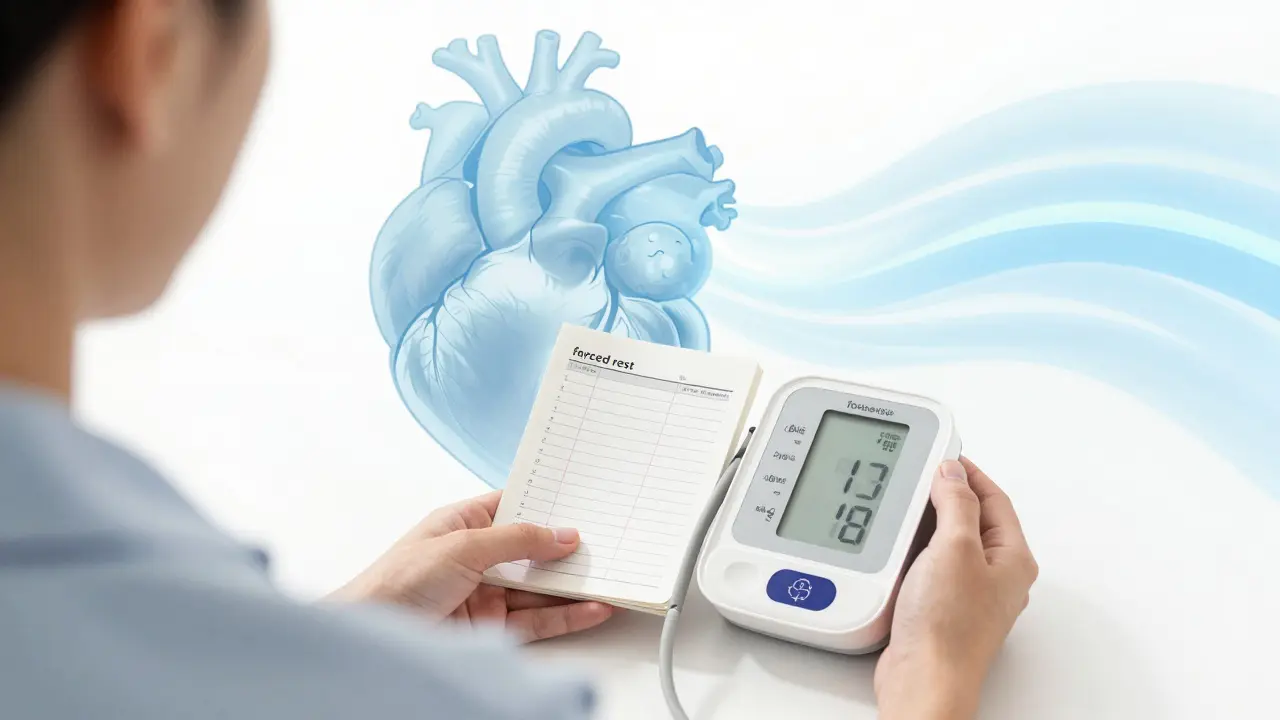
If you are starting a beta-blocker, the first 30 days are the most critical. Keep a simple log of your resting heart rate and blood pressure every morning. If you notice your heart rate dipping below 50 beats per minute or you feel dizzy when standing up, contact your provider immediately-this may indicate the dose is too high or you are titrating too quickly.
For patients managing heart failure, don't be discouraged if the initial dose feels too low. The goal is to reach the "target dose" (like 25mg for Carvedilol) over several months. If you experience significant swelling in your ankles or shortness of breath during this window, your doctor may need to adjust your diuretic medication before increasing your beta-blocker dose.
