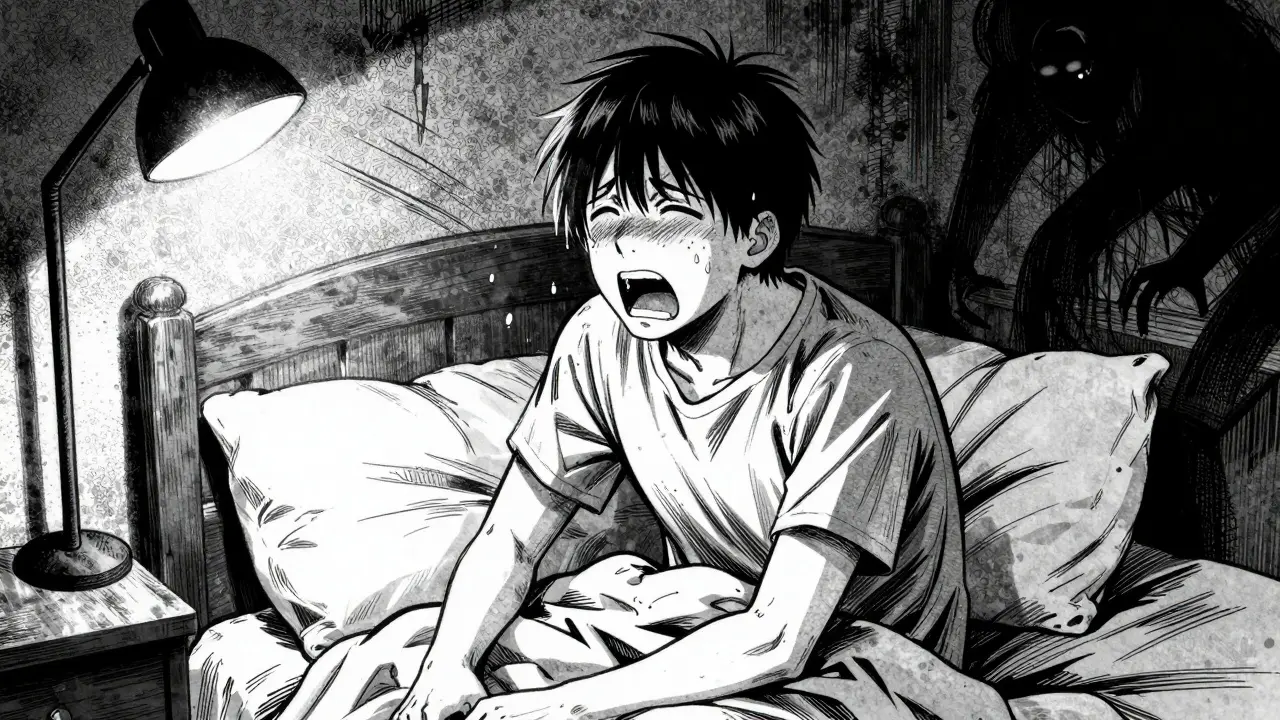
The Reality of Waking Up Sweating
There are few experiences quite as jarring as waking up gasping for air, your heart racing so hard you can feel it in your throat. For many people living with Post-Traumatic Stress Disorder (PTSD), this isn't just a bad dream; it's a recurring nightmare that disrupts sleep cycles night after night. Statistics paint a grim picture: around 71% to 90% of military veterans with PTSD report these nightmares, while civilian survivors face rates between 52% and 71%. It is a core symptom that often resists general talk therapy alone.
This leads patients and doctors to look for specific solutions. The two main paths usually taken are medication, specifically using Prazosin, originally designed to manage high blood pressure but now repurposed to quiet the brain during sleep, or behavioral therapies designed to change how the mind processes trauma during rest.
Understanding the Sleep Disturbance
Post-Traumatic Stress Disorder (PTSD) is a condition triggered by a terrifying event.Before picking a treatment, it helps to understand why sleep fails in PTSD. When someone develops the disorder, their brain remains in a state of hyperarousal even when they try to relax. The amygdala-the part of the brain responsible for fear-acts like a smoke alarm that gets stuck in the 'on' position. This triggers intrusive memories that manifest vividly during REM sleep, the stage where dreaming occurs. Unlike regular dreams, these nightmares often replay the traumatic event with extreme clarity and physical sensations.
Sleep metrics matter here. Doctors look for "sleep efficiency," which is the percentage of time spent in bed actually asleep. In healthy individuals, this is often above 85%. For those suffering severe PTSD, this number can drop drastically due to frequent awakenings caused by terror. Another key metric is "wake after sleep onset." If you spend more than 30 minutes awake in the middle of the night consistently, it indicates a significant fragmentation of the sleep cycle. Treatments aim to push these numbers back into normal ranges.
The Case for Prazosin Medication
Prazosin entered the spotlight for sleep issues in the early 2000s. It was developed by Pfizer in 1976 as an antihypertensive agent. Dr. Murray Raskind at the VA Puget Sound Health Care System discovered its potential for calming nightmares, leading to widespread adoption across Veterans Affairs facilities. Here is how it functions biologically:
- Mechanism of Action: Prazosin blocks alpha-1 adrenergic receptors. These receptors control the release of norepinephrine, a stress hormone that surges during nightmares. By dampening this chemical signal, the medication reduces the intensity and frequency of the dream replays.
- Dosing Protocols: Treatment doesn't start strong. Clinicians typically begin with 1 mg nightly. This is slowly increased weekly-often to 3 mg, then 6 mg-until the nightmares subside or the maximum safe dose of 25 mg is reached. Taking it 60 to 90 minutes before bed ensures peak levels in the bloodstream coincide with sleep onset.
- Efficacy Data: A major meta-analysis published in 2022 confirmed moderate effect sizes for reducing nightmare severity. However, the same data suggests it does very little for overall daytime PTSD symptoms like anxiety or depression.
Despite its popularity, the FDA has not formally approved Prazosin specifically for PTSD nightmares as of 2023. This means it is prescribed "off-label." Controversy exists because a large Department of Defense trial in 2018 failed to show statistically significant benefits compared to placebo, sparking debate among experts like Dr. Charles Marmar who caution against over-reliance on the drug. Conversely, proponents argue that earlier trials simply didn't dose the medication high enough or included too many patients without actual nightmares.
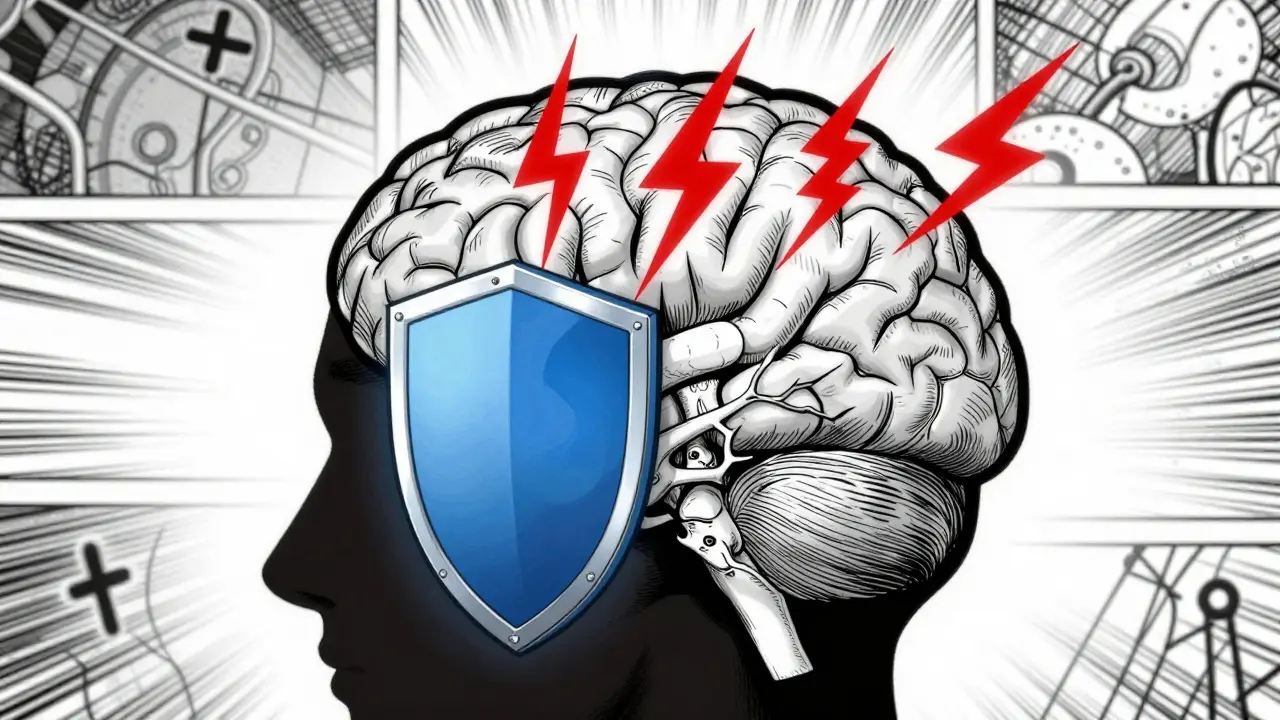
Behavioral Approaches to Nightmare Relief
If medication feels too heavy-handed or carries unwanted side effects like dizziness upon standing, behavioral therapies offer another route. Two methods stand out as having the strongest evidence base.
Cognitive Behavioral Therapy for Insomnia (CBT-I)
Cognitive Behavioral Therapy for Insomnia is a structured program that helps identify and replace thoughts and behaviors that cause sleep problems.CBT-I is considered the gold standard for chronic insomnia. It doesn't necessarily focus on rewriting dreams directly, but rather on fixing the conditions of sleep. A standard protocol involves six to eight weekly sessions. Key components include "sleep restriction," where you limit time in bed to match your actual sleep duration initially, forcing the body to build up sleep pressure. You also learn stimulus control-such as getting out of bed immediately if you haven't fallen asleep in 20 minutes-to retrain the brain to associate the bed with sleep rather than tossing and turning.
Imagery Rehearsal Therapy (IRT)
Imagery Rehearsal Therapy is a technique where patients rewrite their nightmare scripts into positive narratives while awake.IRT targets the nightmares themselves. The process is surprisingly straightforward: you recall a recurring nightmare, then deliberately change the ending or the entire story while you are awake and relaxed. You rehearse this new version daily. Research indicates this method can reduce nightmare frequency by anywhere from 67% to 90%. It works on the premise that our dreams often mirror our internal processing of the day. By changing the script, we alter the memory trace.
| Treatment Type | Primary Mechanism | Typical Duration | Success Rate | Main Drawback |
|---|---|---|---|---|
| Prazosin | Blocks stress hormones | Ongoing monitoring | ~62% response | Dizziness/Blood Pressure drop |
| CBT-I | Fixes sleep habits | 6-8 weeks | ~70-80% response | Initial sleep worsening |
| IRT | Rehearsal of new scripts | 3-5 sessions | ~67-90% reduction | Requires active participation |
Choosing the Right Path for You
Selecting a treatment depends heavily on your specific situation. Accessibility plays a huge role. In the United States, for example, roughly 78% of veterans receive medication for PTSD versus only 32% accessing psychotherapy. Medications are easier to prescribe than finding a certified specialist for CBT-I, which requires 15 to 20 hours of specialized training for clinicians. However, relying solely on medication might miss the underlying sleep hygiene issues that perpetuate the problem.
A stepped-care model is often the best approach. Start with brief behavioral interventions (like the "Sleep SMART" initiative used in VA facilities) before escalating to full CBT-I or adding medication if needed. New digital tools are bridging gaps too. Apps like NightWare use wearables to detect nightmare heart rate spikes and vibrate gently to shift sleep stages without waking the person completely-a concept validated by the FDA in 2020.

Managing Side Effects and Expectations
No treatment is without friction. With Prazosin, the most common complaint is orthostatic hypotension-feeling faint when standing up quickly. Patients should monitor their blood pressure closely. About 28% of users also report "rebound nightmares" if they stop taking the pill abruptly, so tapering off under medical supervision is essential.
Therapy challenges are different. Many people find the initial phase of CBT-I difficult because limiting time in bed causes temporary fatigue. It requires discipline to keep a sleep diary every night. However, long-term satisfaction tends to be higher with behavioral methods. Studies show that once the skills are learned, gains are maintained better than with medication alone. If you have trouble sticking to strict schedules, perhaps due to shift work, behavioral sleep modification might require adjustments.
Frequently Asked Questions
Can I take Prazosin with other antidepressants?
Yes, it is frequently combined with SSRIs, but caution is required as both medications can lower blood pressure. Your doctor will likely adjust doses carefully to prevent falls or dizziness.
How long does it take for Prazosin to work?
You may feel sedation immediately, but significant reduction in nightmares often takes 2 to 4 weeks of titrated dosing to reach therapeutic levels effectively.
Is CBT-I suitable for everyone with PTSD?
Most people benefit, though those with severe cognitive impairment or unstable medical conditions might struggle with the self-monitoring aspects required for success.
Do digital sleep apps work for nightmares?
FDA-cleared devices like NightWare show promise, particularly for those who struggle with traditional medication or therapy adherence, showing reduction in nightmare episodes without active intervention.
What happens if I stop Prazosin suddenly?
Abrupt cessation can lead to rebound hypertension and a return of nightmares. Always consult your provider to taper the dosage down safely over several weeks.

10 Comments
Eleanor BlackApril 1, 2026 AT 23:08
The sensation of waking up terrified is truly something that stays with you forever. It changes how you view your own bedroom space during those dark hours. Many people forget the sheer physical toll it takes on the body systems. Your heart rate spikes so violently that you feel like you are dying right there. This happens even when you are safe tucked under heavy blankets. The statistics mentioned really highlight how widespread this suffering actually is. It feels isolating to realize ninety percent of veterans deal with this nightmare cycle. Sleep becomes a threat rather than a refuge for restoration. You spend so much time hoping for relief that you stop sleeping entirely. Medication helps but it does not fix the underlying wound completely. Behavioral therapy sounds promising because it addresses the root cause instead. I believe everyone deserves access to these specialized treatments eventually. We need to normalize discussing these deep psychological scars openly. Ignoring them only leads to deeper issues down the road. Hope remains the strongest weapon against the recurring darkness.
Molly O'DonnellApril 3, 2026 AT 08:07
Prazosin drops your blood pressure significantly so stand up slowly.
James DeZegoApril 3, 2026 AT 09:27
That dizziness risk is real though so hydration helps keep things stable. 😊 The alpha-1 blocking works wonders for the adrenaline surges specifically. ⚕️
Christopher BeesonApril 3, 2026 AT 16:24
Trauma rewires the neural pathways to perceive constant danger signals everywhere. The brain cannot distinguish between past threats and present safety easily. We are fighting a battle against our own biological hardware essentially. Logic fails when the limbic system screams fire constantly at night. Therapy attempts to rewire these circuits through repetitive exposure techniques primarily.
Sharon MungerApril 4, 2026 AT 16:24
Thats actually a good way to put it about the brain hardware thing. We all process stress differently and thats okay to admit. Taking it slow helps rebuild trust in your own body again. 💤
Cara DuncanApril 6, 2026 AT 00:08
Sleep hygiene is such a game changer for me personally 🛌🏾✨. I hate waking up cold so I keep my room warm now. Dreams shift when the environment feels safe and cozy too 🌙💖.
Cullen ZelenkaApril 7, 2026 AT 10:02
Stick with the routine even when it feels hard at first. Consistency wins the day eventually and the sleep comes back. You got this 💪.
Owen BarnesApril 7, 2026 AT 13:53
VA access is hard sometimes if ya dont live near a clinic. Insurance companies act tough bout covering the sessions too. But its worth pushing for because the help exists online. 📉
Julian SoroApril 9, 2026 AT 07:18
Online options are opening up fast so dont give up on finding help yet. There are apps and telehealth providers who specialize in this exact niche now. 💡
Russel SarongApril 9, 2026 AT 19:34
Absolutely! Technology is bridging gaps faster than ever!! 😲🎉 Keep pushing forward!!!